Get early access to fresher drops & priority delivery
Only what helps you eat better. Nothing else.

Only what helps you eat better. Nothing else.
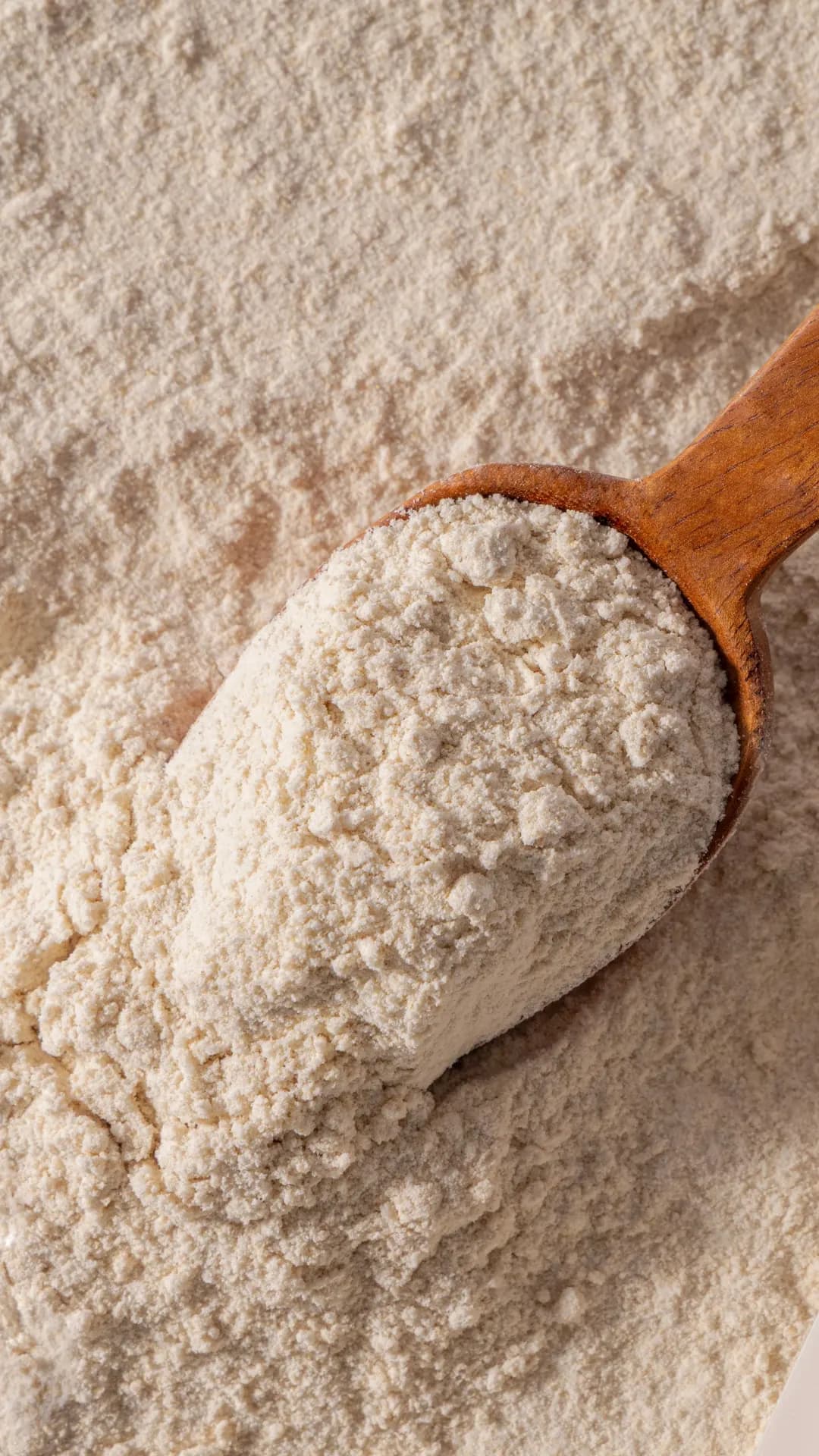
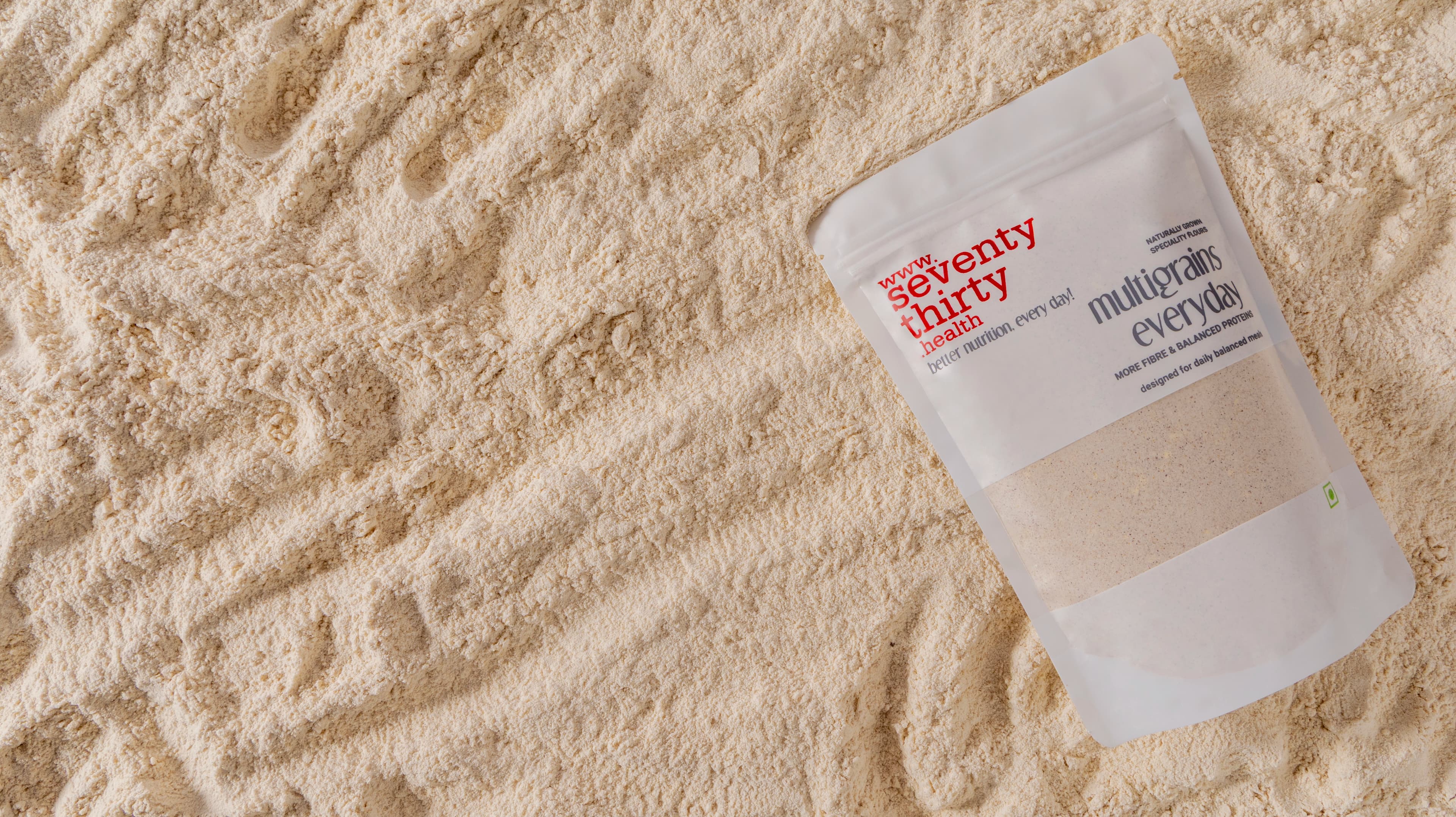
Our Flours & Grains are milled for real life — Sunday baking sessions, weekday rotis, and every meal in between when you want to start from something honest.





In large-scale milling, flour is often roller-milled at high speeds to increase output and shelf life. The bran and germ may be partially removed and later blended back to standardize texture and color. Some flours are treated with bleaching agents to achieve a uniform appearance. These processes make flour easier to store and distribute, but they can reduce the natural fiber, nutrients, and character people expect from traditionally milled grains.
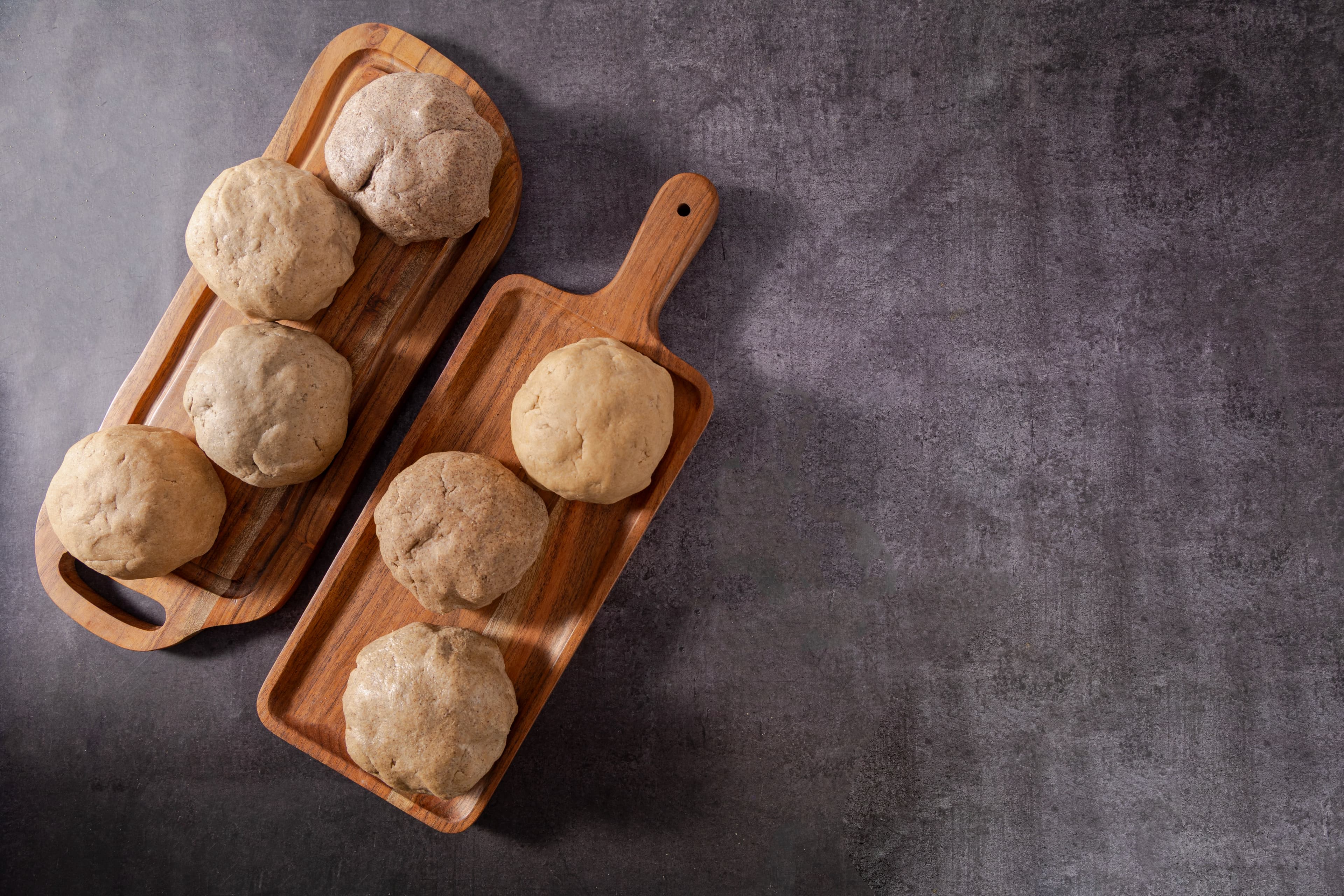
Whole grains are valued for their naturally occurring fiber, vitamins, and minerals that support slower digestion and better nourishment compared to highly refined flour. Industrial roller milling often separates the bran and germ to improve shelf life and texture, removing much of that nutrition by design. We work with millers who grind grains in small batches using traditional methods rather than industrial shortcuts. That’s why the texture, aroma, and color may vary slightly from batch to batch.